

Nail Salon Hygiene & Aftercare: Preventing Infections and Protecting Clients
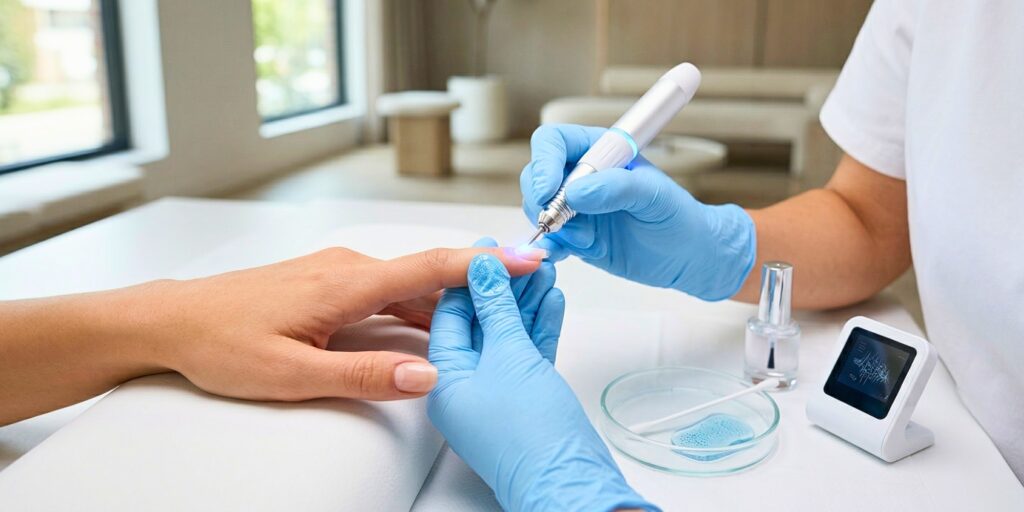
The nail industry is currently undergoing a quiet but significant transformation. While artistry still draws clients through the door, it is the invisible standard of safety that keeps them coming back. In 2026, a "luxury" service is no longer defined merely by the brand of polish used, but by a technician’s ability to navigate the complex intersection of microbiology and aesthetics.
To move from a beginner to an industry leader, you must transition your mindset from "beautifying" to "protecting." If you are just starting out, I recommend reviewing our beginner’s guide to launching your 2026 nail tech career to get a firm handle on the fundamentals of the trade. Providing high-level aftercare advice within the nail technology field is your most powerful tool for building professional credibility. It transforms you from a service provider into a trusted consultant who understands the biological stakes of the nail plate.
Key Takeaways for Future Professionals
- Microbiology is Mandatory: Success begins with identifying the four pertinent organisms (bacteria, fungi, viruses, parasites) to prevent the "Safety Paradox" where luxury salons still see rising infection rates.
- Technology vs. Treatment: Standard salon UV lamps and cosmetic lasers are "adjunct" tools, not medical cures. Understanding their limits is vital for managing client expectations.
- The Credential Advantage: Transitioning from "technician" to "specialist" via a Medical Nail Technician Certificate allows you to work safely with high-risk clients.
- Functional Aftercare: The next $26 billion market shift is toward products that treat the "nail matrix" and use "hydrogel technology" for sustained healing.
The Biology of the Bench: Identifying Your Invisible Adversaries
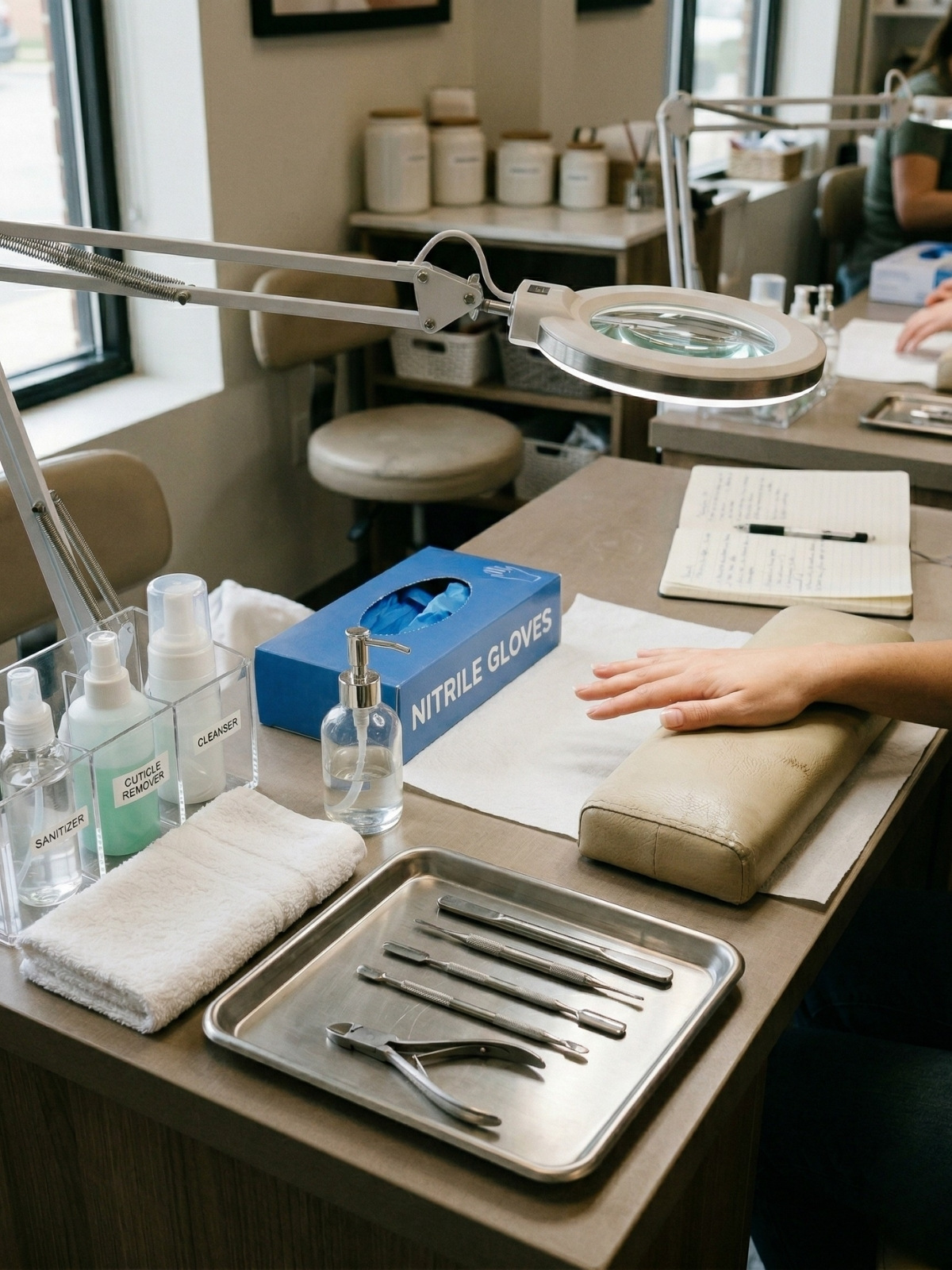
In any high-standard nail technology program, the first lesson isn't about the brush - it’s about the "bio-burden." This refers to the number of microorganisms living on a surface or tool. To effectively manage this risk, a professional must be able to list the four types of organisms that are pertinent to nail technology: bacteria, fungi, viruses, and parasites.
Understanding these four categories is about more than passing a state board exam; it’s about recognizing how they behave in a moisture-rich salon environment. Bacteria like Staphylococcus can colonize a microscopic skin tear in seconds. Fungi, particularly those causing onychomycosis (nail fungus), thrive in the dark, damp spaces created by "lifting" - that’s when enhancements pull away from the natural nail, creating a pocket for moisture.
Effective infection control requires "mechanical debridement" - the physical removal of biofilm (a sticky layer of bacteria) before chemical disinfection even begins. If you don't break that film first, your disinfectant cannot reach the pathogens beneath it. As noted in the 2026 Sunset Review Report by the California Board of Barbering and Cosmetology, improper disinfection remains a primary driver of common infections like ringworm in professional settings even in upscale environments.
According to above data from the California Board of Barbering and Cosmetology, as salons offer more invasive "wellness" services, the rate of consumer injury has risen. This proves that high-end décor is no substitute for clinical-grade protocols. In the modern market, safety is the ultimate competitive advantage.
The Scientific Reality of High-Tech Anti-Fungal Treatments
As clients become more health-conscious, they often arrive with questions about the latest "medical" gadgets. One of the most common inquiries is: "Does UV technology kill nail fungus?"
The Limitations of UV Light
To answer this accurately, you must distinguish between "sanitization" and "curing." While specialized UV technology that fights nail fungus exists in clinical medicine, it requires specific UVC wavelengths and high intensities that standard salon lamps do not possess.
In fact, if a client has an active infection, the heat and "occlusive" (sealing) nature of gel polish can actually accelerate fungal growth by creating an occlusive, moisture-rich environment - one that lacks oxygen. According to CT.gov's Infection Control Guidelines, UV light boxes are strictly for dry storage and are not acceptable devices for sterilization.
The Role of Lasers in Nail Health
Similarly, you will likely be asked about the efficacy of laser technology for nail fungus in general, according to the updated Medical Policy SURG.00138 from Healthy Blue Louisiana, lasers are most effective as an "adjunct" therapy. This means they assist other treatments by using photothermal heat to slow fungal replication, but they rarely achieve a "complete cure" on their own at the 52-week mark. By understanding the limits of laser technology for nail fungus, you can manage client expectations and provide better guidance on when they should seek medical intervention.
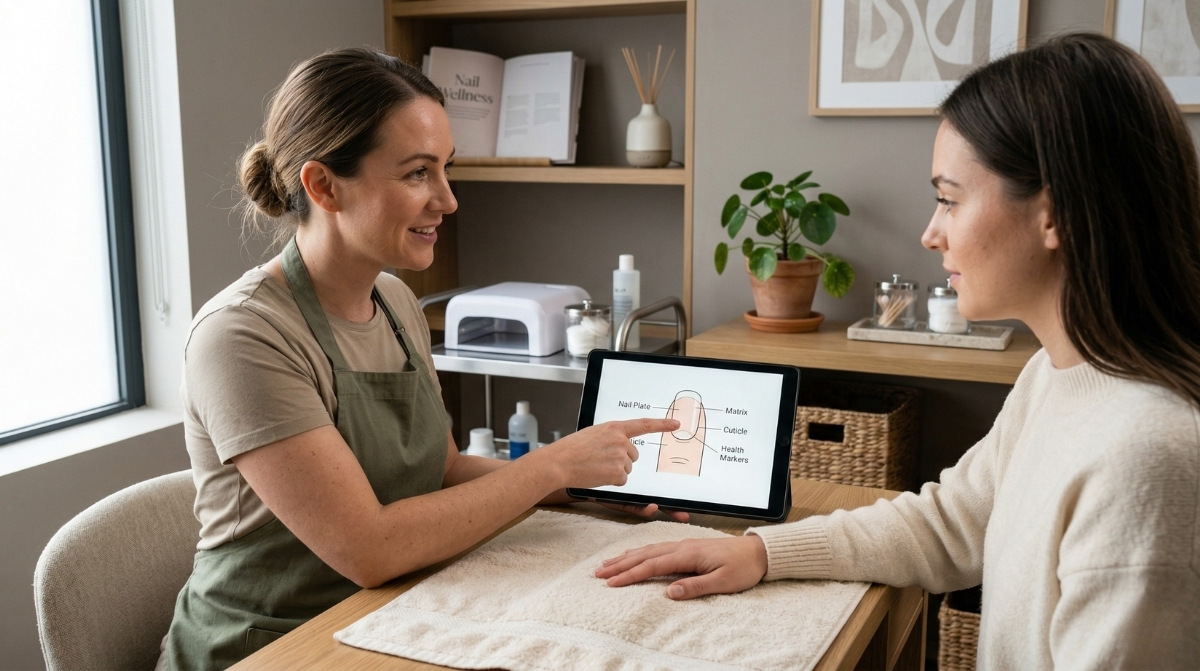
Advanced Client Aftercare: Protecting the Investment
The most critical window for nail health occurs in the weeks between salon visits. If a client isn’t maintaining their "lipid barrier" - the natural fatty acids that protect the skin and nail - the work you do in the chair will suffer.
Next-Generation Post-Service Solutions
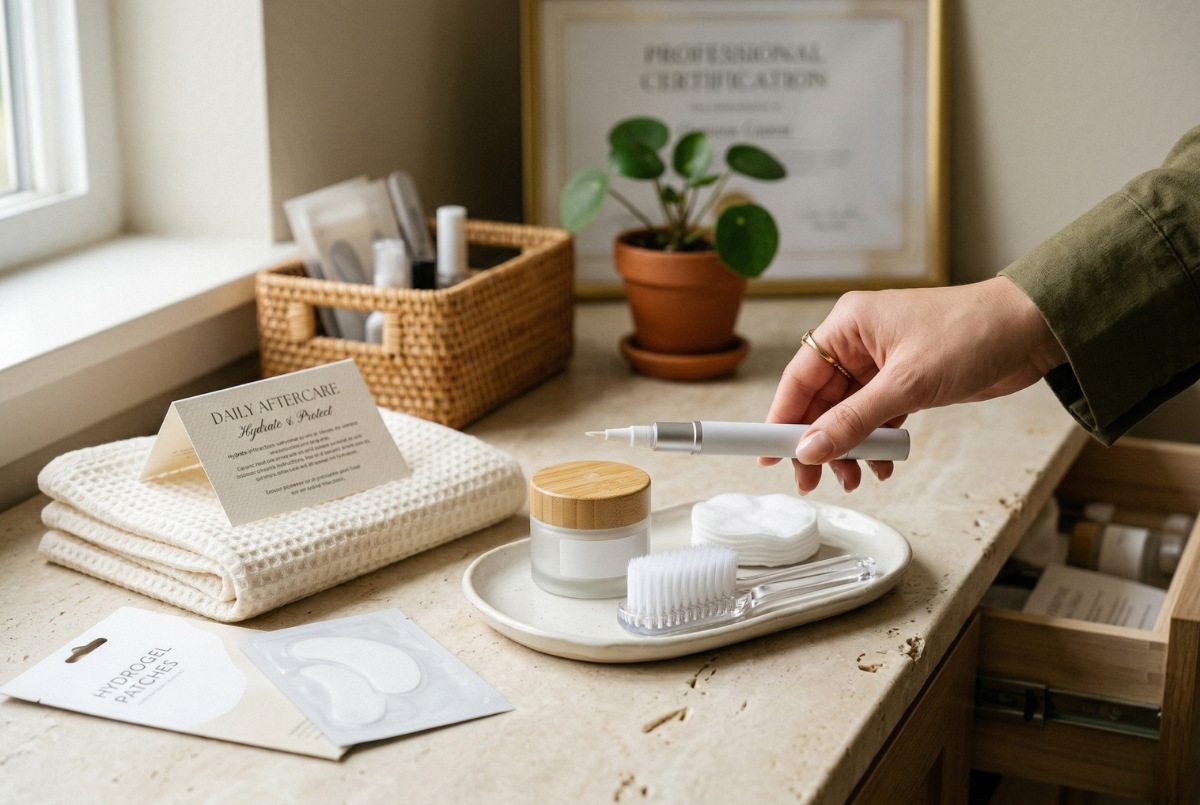
Standard topical liquids often fail to provide lasting results because they cannot easily penetrate the dense, water-resistant keratin of the nail plate. To solve this, we now use specialized delivery systems. For clients with compromised nails, I often recommend fungal nail patches. By leveraging hydrogel technology, these patches hydrate the nail plate, causing the keratin fibers to swell and become more porous. This "moist healing" environment allows protective ingredients to reach the nail bed far more effectively than traditional drops that simply evaporate.
We also have to focus on the "engine" of the nail - the matrix. To support healthy growth, we suggest using a nail care pen designed for daily application. These are engineered with Nail Matrix Technology to deliver concentrated nutrients directly to the proximal nail fold. By nourishing the tissue where new cells are actually formed, you ensure your client is growing a resilient foundation for their next set of enhancements.
The Professional Hygiene Kit
Even the tools your clients use at home matter. While advanced hygiene is the focus today, you should also familiarize yourself with the essential skills and professional starter kit items that every technician needs for daily success, for example, implementing a Salmon hygiene technology nail brush is far superior to traditional wooden or porous brushes. These specialized tools are designed with resin-set filaments that resist bacterial colonization, ensuring that the client isn't re-introducing pathogens while they clean under the "free edge" at home.
Reports from Research Nester (2026) show the global shift toward "proven" wellness products has pushed the functional aftercare market toward a $26.1 billion valuation. Clients are moving away from simple "clean beauty" labels and toward products backed by clinical data.
From Technician to Clinical Specialist
Standard cosmetology licensure provides the "pathway," but specialized training provides the "destination." For those looking to command higher rates and work with high-risk demographics, such as diabetic clients, obtaining a medical nail technician certificate is the gold standard.
This advanced certification allows you to move beyond basic aesthetics and into the realm of "medical pedicuring." It also qualifies your business to participate in a Healthy Nail Salon Recognition Program. Earning a spot in that program signals to your community that you prioritize respiratory health and chemical safety.
This is especially critical given the FDA’s 2026 General Wellness Framework, which draws a firm line between "wellness" claims and "medical" claims. Having legitimate institutional backing is the only way to safely - and legally - claim superior hygiene standards in your marketing.
Ready to Master Your Craft? Join the Legacy at Atlanta Beauty Academy
Choosing where to start your career is the most important decision you’ll make. At Atlanta Beauty Academy, we don’t just teach you how to paint nails - we prepare you to lead the industry. Our unique Salon Ready approach ensures that every student graduates with a deep mastery of the clinical-grade hygiene and advanced aftercare techniques we’ve discussed today.
The future of nail technology belongs to the specialists. Whether your goal is to launch a boutique medical-grade nail salon, work as a consultant for high-tech wellness brands, or become a high-demand artist in the "bio-aesthetic" market, our curriculum is designed to get you there. We bridge the gap between beauty and science, giving you the professional edge and scientific authority that top-tier employers are looking for in 2026.
When you join Atlanta Beauty Academy, you aren’t just enrolling in a school; you are joining a 20-year legacy of excellence. We have spent over two decades refining our training to meet the highest industry standards, ensuring our graduates are among the most sought-after professionals in the region.
Your journey from student to specialist starts here. Don’t settle for a basic education when you can build a career on a foundation of safety, technology, and art. Fill out the contact form right below this article to take the first step toward your professional future and see our 20+ years of experience in action. We can’t wait to help you join our legacy.
FAQ: More Safety & Technology Questions
Is it safe to use a standard LED lamp to "treat" a client's infection? No. While there is UV technology for nail fungus in medical settings, salon curing lamps operate at different wavelengths and are designed only to polymerize (harden) gel products. They do not have the germicidal intensity required to kill fungal spores.
What makes "Nail Matrix Technology" different from regular cuticle oil? Standard oils often just sit on the surface of the skin. A nail care pen with Nail Matrix Technology is formulated with smaller molecular structures designed to penetrate the proximal nail fold and reach the actual growth center of the nail, supporting the formation of healthy new nail cells.
Why should a salon join a Healthy Nail Salon Program? Participating in a Healthy Nail Salon Recognition Program provides third-party verification of your safety standards. This is a massive trust signal for clients who are skeptical of salon hygiene and look for official certifications when choosing a service provider.