



From Student to Pro: Everything You Need to Know About Barbering Licenses and Acing Your State Board
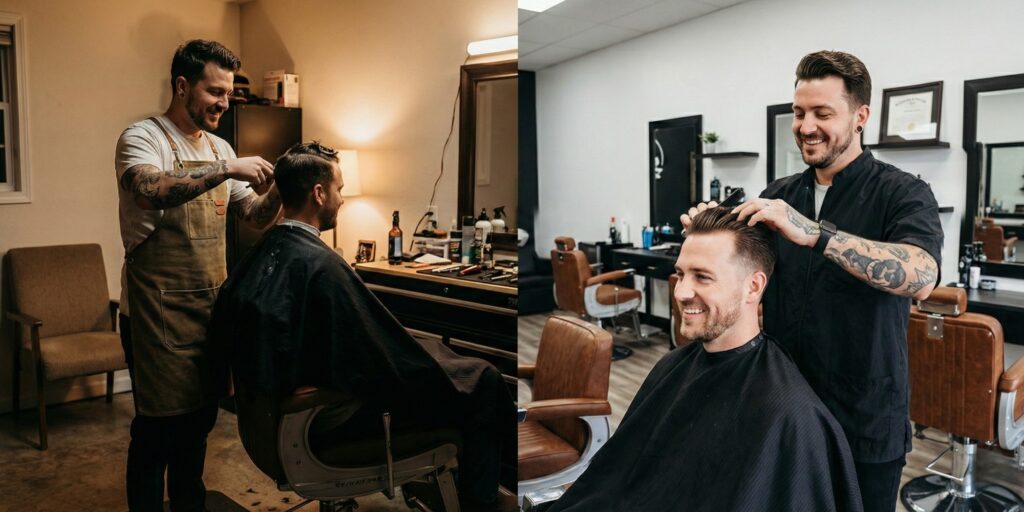
I’ve spent years talking to guys who can pull off a flawless skin fade in their sleep but feel paralyzed when they look at a government website. If you’ve been "underground" for a while, the transition to being a professional can feel like you’re trading your artistry for a stack of paperwork.
But here is the reality of the 2026 industry: talent is the engine, but legitimacy is the fuel. Let’s look at why crossing the threshold from "the guy who cuts hair" to a licensed professional is actually a massive business upgrade.
If you want the exact roadmap - hours, application, exams, and what happens after - read our How To Become A Barber: A Step-By-Step Career Guide before you do anything else.
The "Barrier to Entry" is Your Best Friend
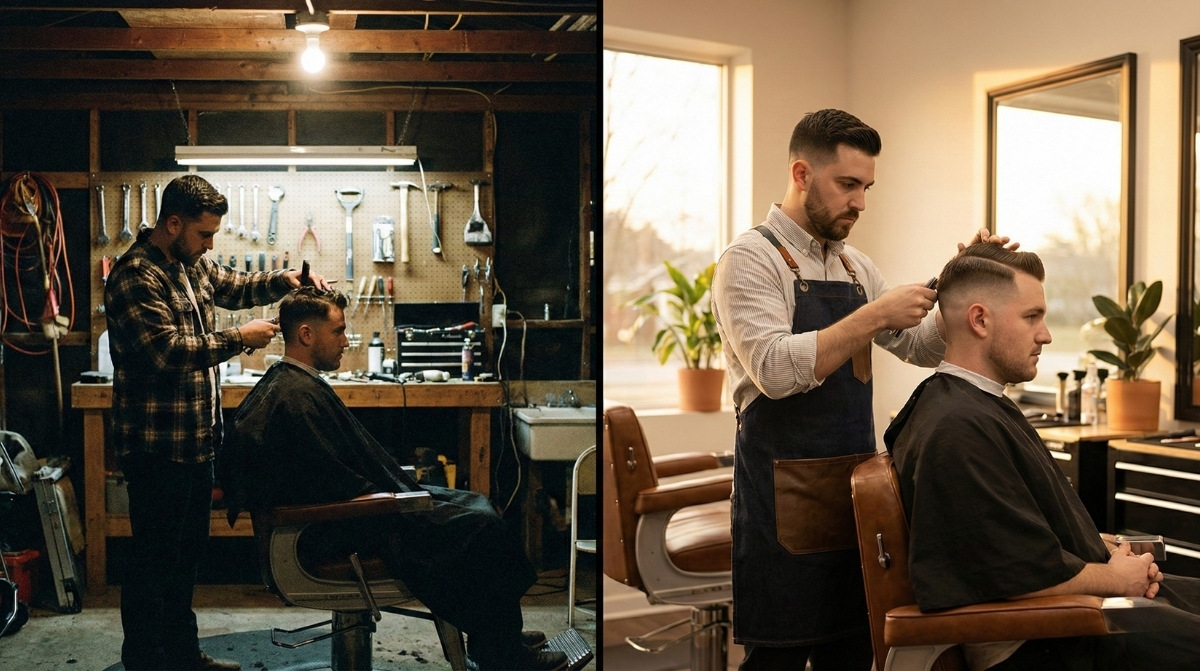
Most people view barber license requirements as a hurdle to clear. I want you to look at them as a moat that protects your income. According to the 2026 updates from the IDFPR, the barbering license requirements have shifted to include mandatory training in texture equality and skin growth detection.
When you meet these standards set by the board of barbering and cosmetology, you aren’t just getting a permit; you’re gaining a legal shield. In a world of DIY influencers, your status with the barbering and cosmetology board tells the public - and your insurance provider - that you are a high-skill professional trained to spot medical issues like abnormal skin growths before they become a crisis.
What Licensing Requirements Usually Include (The Parts Nobody Spells Out)
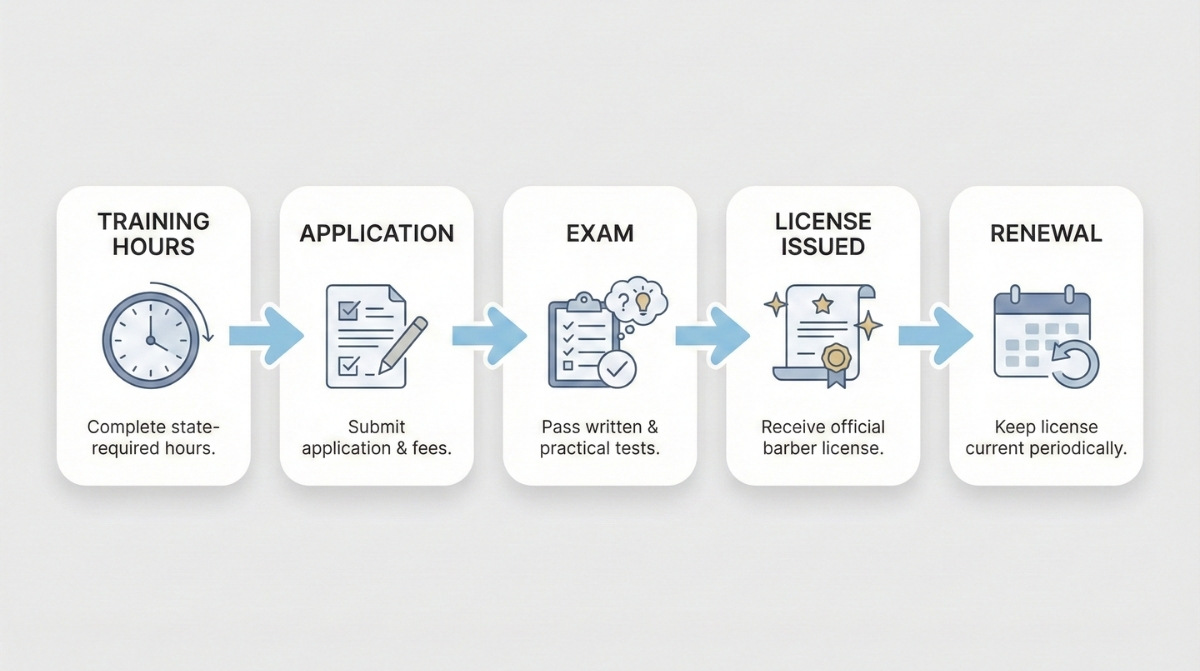
This is the “deep” part most articles skip. While every state has its own rules, most licensing pathways boil down to a predictable checklist:
- Eligibility basics: age minimum, ID, and sometimes a health form or background questions.
- Training hours: through a board-approved barber school or an approved alternate pathway (apprenticeship/experience) where allowed.
- State-required safety coursework: many states require specific sanitation or health-related courses separate from your core training.
- Application package: proof of training/hours, forms, fees, and sometimes school verification signatures.
- Exam(s): written theory nearly everywhere, and a practical exam in some states.
- License issuance + display/renewal: once issued, you maintain it and comply with posting rules (and if you own a shop, you may need a separate shop license too).
To make this concrete: Florida’s own DBPR checklist for barber applicants describes routes tied to school hours and competency, and points applicants to the barber written exam candidate booklet after the application is submitted/approved.
New York’s “Become a Barber” page explicitly calls out age 17+ (this may differ depending on each state) and requires a Health Certification completed by a physician/PA/NP with timing rules on submission.
And California is currently written-only for licensure (no practical exam required), which shows how much states can differ.
Conquering "Performance Anxiety" on Exam Day
The most common fear I hear is about the state board exam for barbering. People worry that a written test can’t measure their skill. But the barbering exam in 2026 is designed to ensure you can protect both your client and your career.
If you’re stressed about how many questions are on the barber exam, the structure is actually very manageable. According to the latest Board of Barbering and Cosmetology applicant guidelines, the written theory exam typically consists of 85 scored questions (with 10 additional non-scored "pre-test" questions to help the board calibrate future tests). You generally have about 120 minutes to complete it.
But don’t miss the bigger point: not every state matches California. California removed the practical exam requirement (written-only), while other states still require a practical component for many applicants - so the first step is always to confirm your own board’s exam type before you buy prep materials or start stressing about the wrong thing.
While 95 questions might sound like a lot, the exam isn't trying to see if you're a "good" artist - it's testing if you're a "safe" professional. The barbering state board weighs these questions heavily toward chemical safety and sanitation. As highlighted in the 2026 Sunset Review Report, the Board’s primary mission is preventing "consumer harm," such as scalp burns from improper chemical applications or the spread of infections. Passing this test proves you have the exact knowledge that prevents career-ending lawsuits.
The ROI of "Going Legit"
Let’s get real about the barbering license cost. It’s easy to see the tuition and get sticker shock. However, I want you to calculate the "cost of missed opportunity."
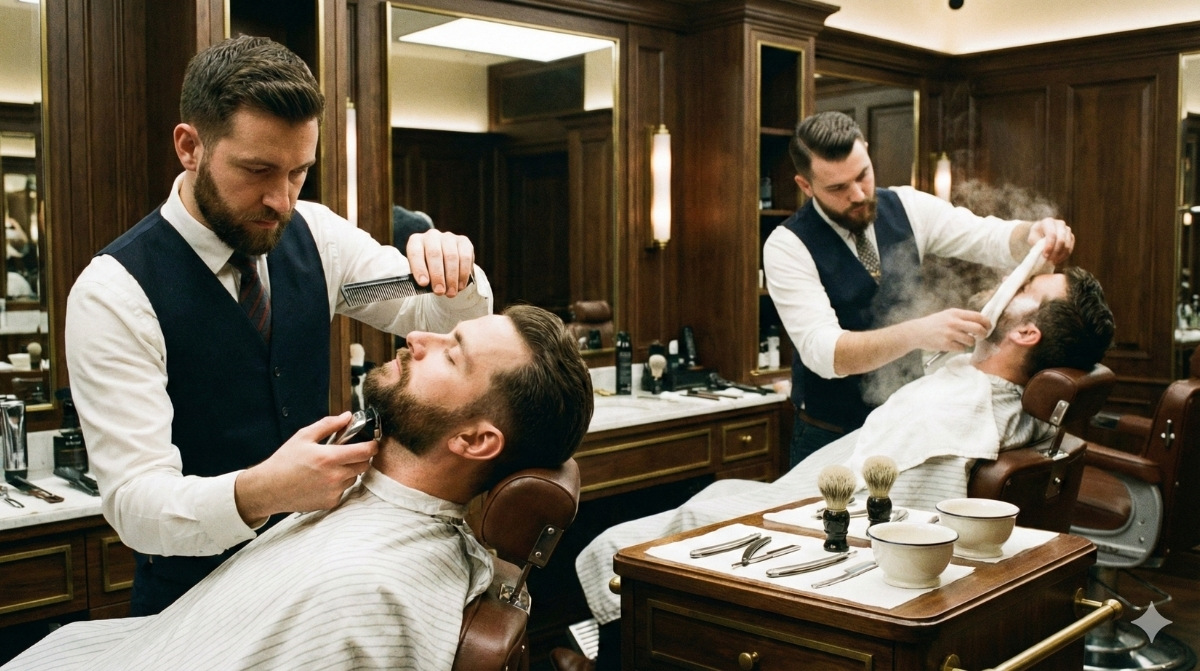
While you might wonder how long it takes to get a barber license, consider that a 12-month program is the only thing standing between you and high-profit services. Data from BusinessDojo’s 2026 Industry Report reveals that while standard cuts have a 55% margin, specialized services like beard sculpting and hot shaves - which require a license to perform legally - boast margins of over 80%. In 2026, the average licensed professional earns significantly more because they can offer the full service menu.
The hidden ROI isn’t just “charge more.” It’s that being licensed unlocks:
- Commercial leases and suites
- Insurance eligibility
- Higher-end platforms and payment processors
- Vendor relationships and pro pricing
- Hiring legally (and not risking your whole shop because one person isn’t legit)
One more angle you can add here: the license doesn’t just let you sell more services - it lets you scale without living in fear of inspections, fines, and getting shut down.
Is it Illegal to Work as a Barber Without a License?
You’ll always find someone asking if they can "get by" without a license by cutting hair in their garage or basement. While it might seem like an easy way to start, the reality is that you are building a career on sand. In 2026, the legal and financial stakes for unlicensed activity are higher than ever.
1. You Face Criminal Charges and Heavy Fines
In the eyes of the law, barbering without a license isn't just a "shop rule" - it is a criminal offense. State boards use heavy fines to deter "garage" operations because they bypass the strict health and safety inspections required of legitimate shops.
In Florida, unlicensed barbering is treated as a second-degree misdemeanor, and DBPR notes it must report criminal violations to prosecutors. Separate from criminal prosecution, DBPR may also issue administrative citations/fines for certain first violations (often up to $500).
In New York, unlicensed barbering is a misdemeanor and, upon conviction, may be punishable by up to 6 months’ imprisonment and/or a fine up to $500 (each violation can be treated as a separate offense).
2. The "Permanent Ban" Risk
This is the part most "garage barbers" don't realize: if you get caught working illegally now, the Board may permanently deny your application for a license later. Regulatory bodies like the Texas Department of Licensing and Regulation have the legal authority to deny licenses to anyone who lacks "good moral character" - and they often define working illegally as "obtaining a license by fraud or false representation." You could be banned from the professional industry for years just for trying to skip a few months of school.
3. Total Financial Liability
As a professional, you need liability insurance. No insurance company on earth will cover an unlicensed barber. This means if a client has a bad reaction to a product or gets a minor infection from an unsterilized tool, you are personally liable for their medical bills. Without a license, you have no legal defense, and a single lawsuit can result in a court-ordered judgment that garnishes your future wages for the rest of your life.
4. Locked Out of the Modern Industry
In 2026, the industry has gone digital. According to Boulevard’s 2025 Trend Benchmarks, nearly 50% of all professional bookings now happen through digital platforms after-hours. If you aren't licensed, you are locked out of these professional systems, you can’t get business insurance, and you can’t sign a commercial lease for a shop or a suite. You aren't "beating the system" - you're just capping your income at a fraction of what a professional makes.
Before You Can Get Licensed, You Have To Put In The Hours
Before you ever touch a “real” barber license, most states require you to earn training hours first - and this is where a lot of talented underground barbers get stuck. It’s not enough to be good. The board wants proof you’ve put in structured time learning the fundamentals that protect the public: sanitation, infection control, straight-razor safety, skin/scalp basics, and the rules that keep a shop compliant.
That’s why the smartest move isn’t just “studying for the exam.” It’s choosing a program that gets you through the required hours and makes those hours feel like real barbershop training - not busywork.
The Atlanta Beauty & Barber Academy Difference: “Salon Ready” Barber Training
At Atlanta Beauty & Barber Academy, our approach is simple: you don’t just log hours - you become Salon Ready. You train in a real-world environment where you build the habits that employers and clients actually care about: professional service standards, consistency, speed, client communication, and the safety routines that separate a hobbyist from a working professional. And you’re not figuring it out alone - our student services emphasize job readiness skills like resume writing and job-seeking preparation, so you’re preparing for your first paid chair from day one.
Your Main Path: Barbering
If barbering is your lane, start here:
- Master Barber Program – built around the training you need to move from “underground” to licensed and employable, with core focus areas like sanitation, straight-razor shaving, haircutting, and barbershop professionalism.
Optional Add-Ons Later: Other Programs You Can Stack On Top
Once you’re established, some barbers branch out to increase their income or open more doors. The Academy also offers:
- Master Cosmetology
- Esthetician
- Nail Technician
- Instructor Training
- Select certificate programs (like waxing/threading, depending on availability)
Want To See What “Salon Ready” Looks Like In Person?
If you’re serious about getting licensed the right way - and you want a school that turns your required hours into real career momentum - use the contact form below to leave your information (one of our members will contact you as soon as possible). Come see our training floor and how we’ve been helping students build careers for 20+ years - this isn’t just a program, it’s a legacy you can step into.