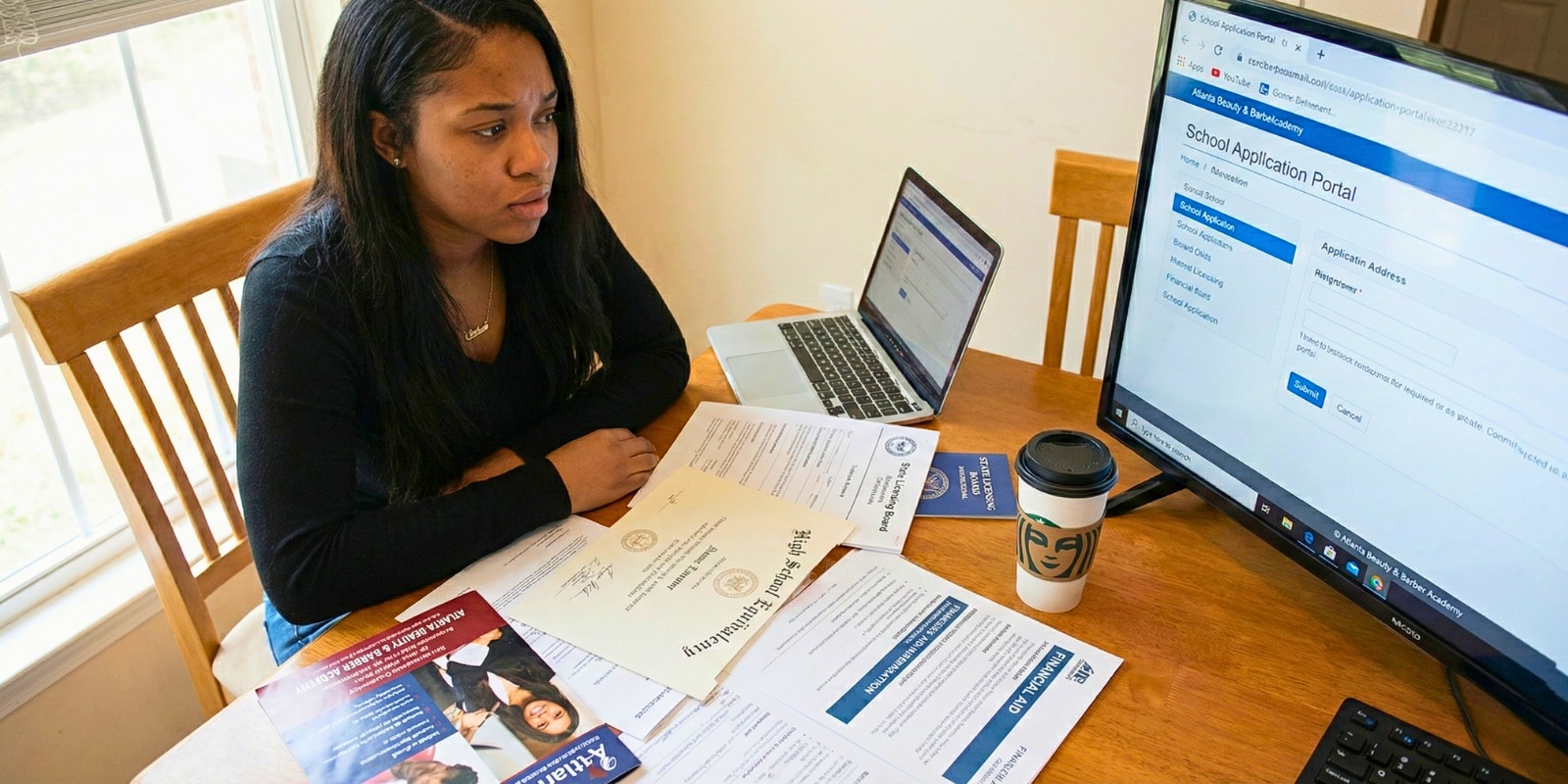
If you’ve been asking yourself, “Can I actually get into cosmetology school?” - especially if you have a GED, don’t have a diploma yet, or you’re under 18 - I understand why you’re searching. You’re not just looking for motivation. You want a straight answer so you don’t waste time, money, or energy.
I’m going to break this down the way a real beauty professional would explain it: clearly, honestly, and without confusing you.
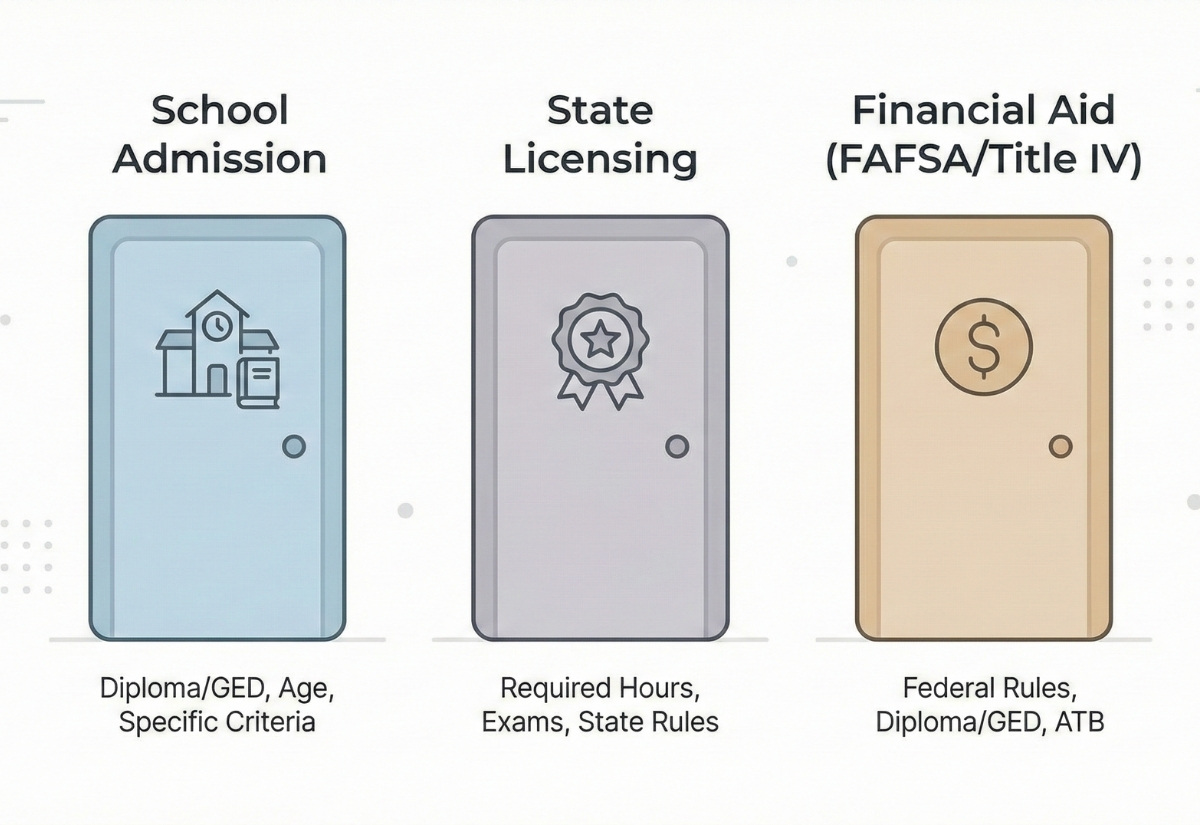
Why This Feels So Confusing: There Are Three Different “Yes/No” Answers
Most people think there’s one set of requirements. There isn’t. There are
three - and they don’t always match.
School Admission Requirements
This is what a specific school needs to enroll you. Many schools prefer a high school diploma or GED, but some allow conditional paths or other options.
State Licensing Eligibility
This is what your state board requires for you to become licensed after training - things like required hours, exams, and eligibility rules. In Georgia, licensing is handled through the
Georgia State Board of Cosmetology and Barbers.
Financial Aid Eligibility (FAFSA/Title IV)
This is federal. If you’re depending on federal aid, the rules can be stricter. Without a diploma or GED, some students may only qualify through specific
“Ability-to-Benefit” pathways tied to an Eligible Career Pathway Program.
Once you separate these three, you stop getting mixed messages - and you can get a real answer fast.
GED, No Diploma, No GED: What That Usually Means in Real Life
If You Already Have A GED
In many cases, a GED is treated like a standard high school credential for enrollment. That’s why so many people search for versions of “Can I go with a GED?” - because it’s a common, accepted route.
If You Don’t Have A Diploma Or GED Yet
This is where people get stressed, and honestly, this is where you need to be careful.
Some schools may allow you to
start through options like:
- Conditional enrollment (you begin training while you finish your GED on a timeline)
- Ability-to-Benefit (ATB) routes, where they confirm you can handle the program academically
- Career pathway setups that combine adult education and job training (important if federal aid matters)
Here’s the key: being allowed to start classes is not the same as being eligible for federal aid, and it’s not the same as meeting your state’s licensing rules. If you remember only one thing, make it that.
Under 18, Starting at 16, and High School Programs
People often ask, “Can I start at 16?” or “How old do I have to be?” because they’re ready to move forward now.
In many states, students can begin training around
16 - 17, but if you’re under 18, you’ll usually need a parent/guardian to sign enrollment documents. Also, some states handle exam eligibility differently than training eligibility.
If you’re in high school, you may also see cosmetology options through school-based or career programs. Whether those hours count depends on your state rules and the program setup - so you always want to confirm that before you commit.
Is Everyone Able to Get In? What Actually Stops People
I hear this a lot: “Is cosmetology school hard to get into?” People worry it’s competitive, like you need to be naturally talented.
That’s not usually what blocks you.
Most delays happen because of:
- Document issues (ID, proof of age, education paperwork, foreign credential evaluation)
- Money timing (tuition planning, kit costs, aid processing)
- Start-date capacity (schools can only take so many students per class)
Capacity limits are real - some rules and standards put boundaries on class size and instructor coverage.
So no, not everyone gets in instantly. But in most cases, it’s not personal - it’s paperwork, funding, or scheduling.
How to Get a Clear Answer Fast Without Feeling Misled
If you want a quick and confident “yes/no,” this is the simplest approach.
1) Start With Licensing Rules
Before you pick a school, confirm your state’s requirements: training hours, exam steps, age rules, and any education requirements.
2) Confirm The School Matches Your Goal
If you’re comparing schools, you want to know the program is aligned with your state’s licensing path - and if you need federal aid, you’ll want to confirm the school’s eligibility and process.
3) Ask One Question That Forces Clarity
Instead of “Can I enroll?” ask:
“Can you confirm your admissions requirements for my education status, whether your program qualifies me for licensing in this state, and whether I qualify for federal aid or an ATB/career pathway option if I don’t have a diploma or GED?”
If the answer is vague, ask for the written policy. Clear programs won’t avoid that.
Who Beauty Schools Are Really For (and How to Set Yourself Up to Win)
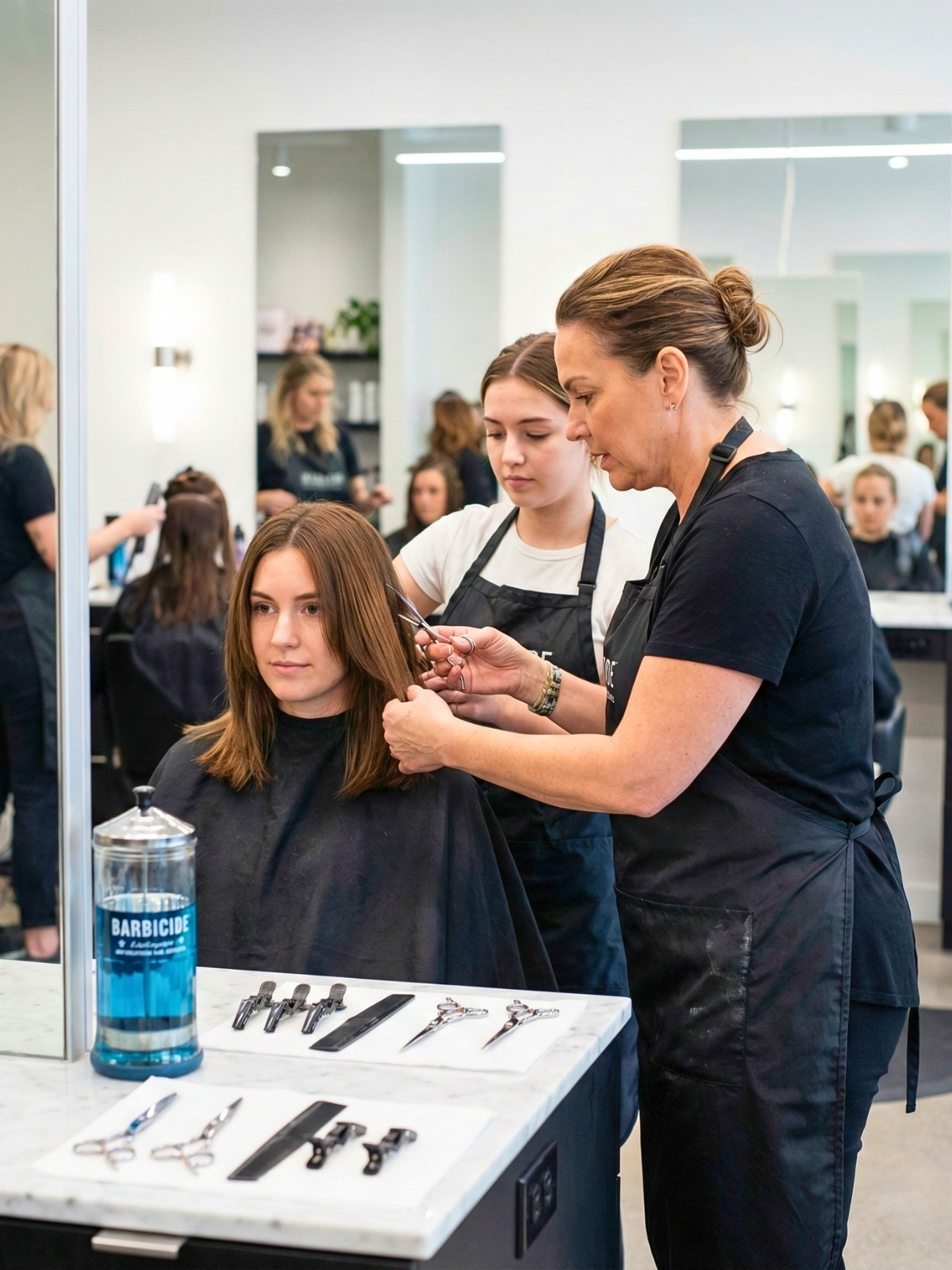
Beauty school isn’t for “born-talented” people. It’s for people who want training, structure, and a real license.
In my experience, students do best when they’re ready for a few realities:
- Skill comes from repetition, not perfection.
- Feedback is part of the job - learning to use it is a superpower.
- Confidence is built on the clinic floor, one client at a time.
- Attendance matters because clock hours are clock hours.
If you’re entering through a GED path - or you’ve had a non-traditional school story - imposter feelings are normal. You don’t need to prove you belong. You need the right plan, the right support, and a school that’s transparent about requirements.
Your Future in Beauty at Atlanta Beauty & Barber Academy
Once you know you can start, the next question matters even more:
what can you build after graduation?
At
Atlanta Beauty & Barber Academy, we’re focused on training students for real careers in the beauty and barbering industry. Our site highlights weekly state board training and job placement assistance, because we want you prepared for what comes next - not just ready to clock hours.
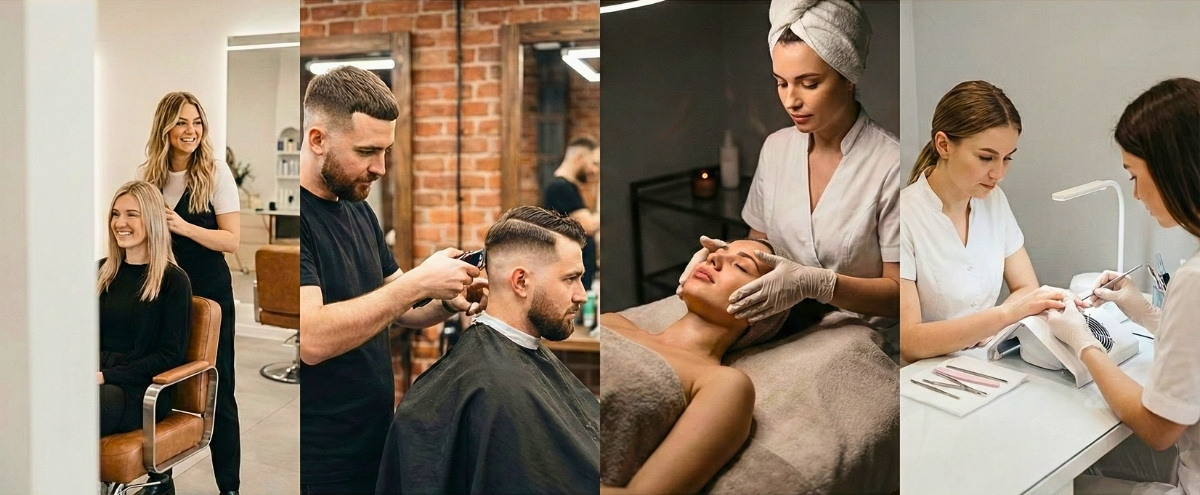
Programs That Align With Common Career Goals
Depending on what you want to do, our core training programs include:
- Master Cosmetologist
- Master Barber
- Esthetician
- Nail Technician
- Instructor Training
Before You Apply: Read Our Admission Requirements
We keep the details transparent in our
Student Catalog, including the documents needed for admissions (like ID requirements and education documentation guidelines). I strongly recommend reviewing that section so you know exactly what to prepare before you start the enrollment process.
Ready To Take The Next Step?
If you’re interested, our
contact form is right below this article - fill it out and our admissions team will reach out to help you choose the best program and schedule a tour.